| Overview |
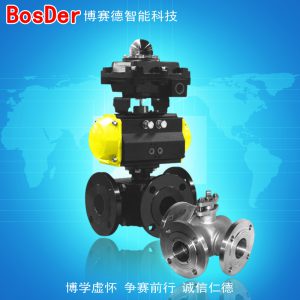
| A ball valve is a type of valve in which the closing element (the ball) is driven by the valve stem and rotates around the valve’s axis. In piping systems, ball valves are primarily used for shutting off, distributing, and changing the flow direction of the medium; they require only a 90-degree rotation and a very small torque to achieve a tight seal. Multi-port ball valves, in particular, not only allow for flexible control of the convergence, divergence, and directional switching of the medium in a pipeline, but also enable the closure of any single port while connecting the other two ports. |
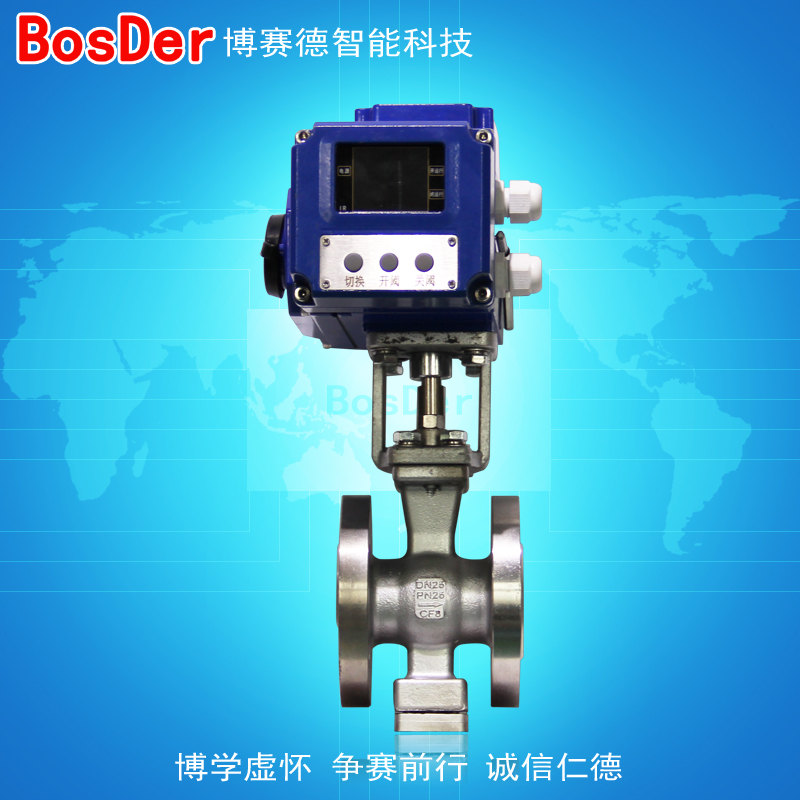
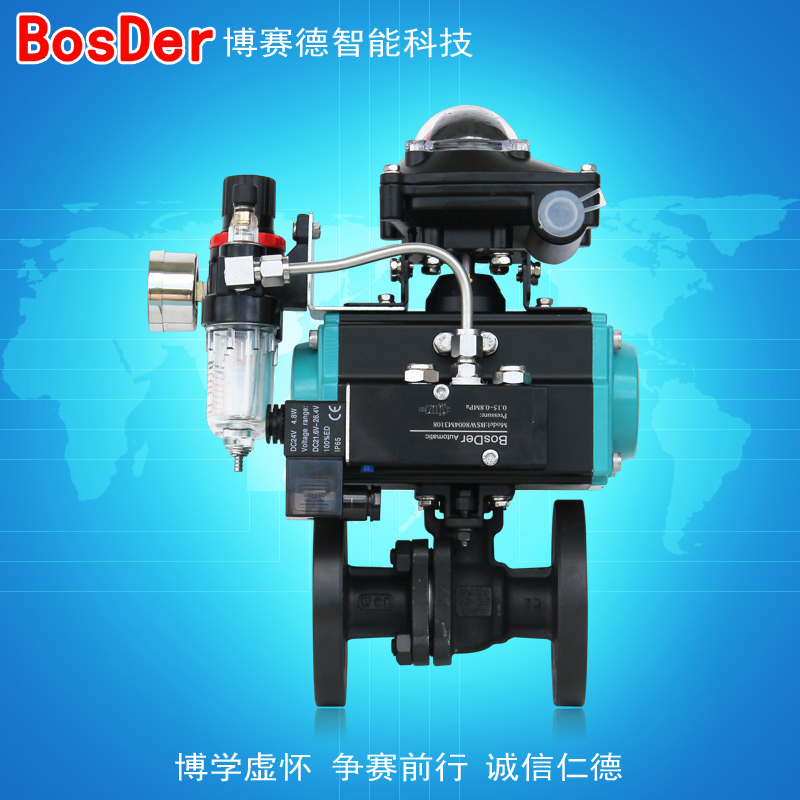
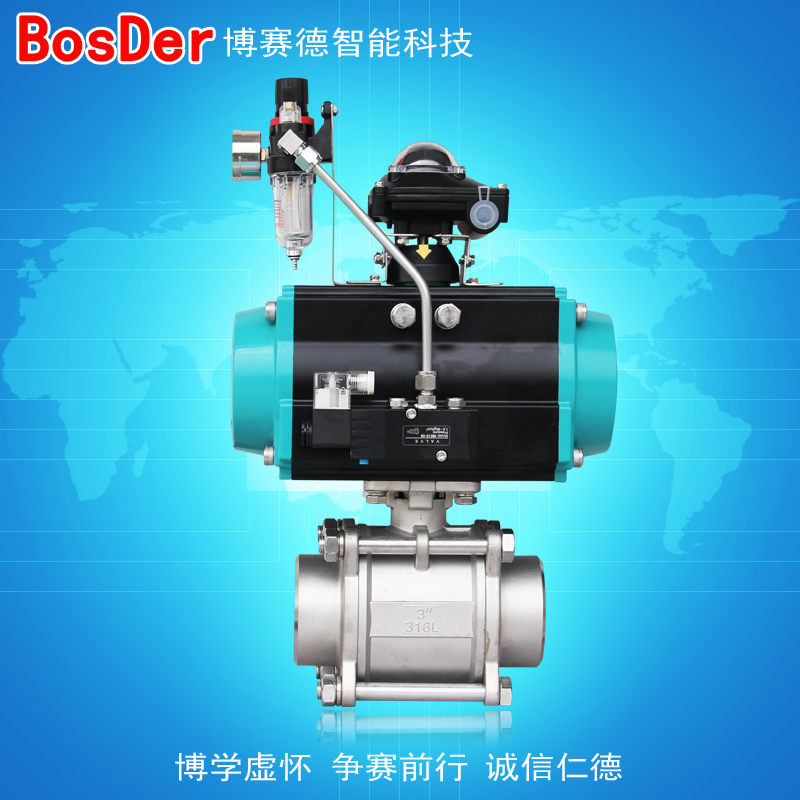
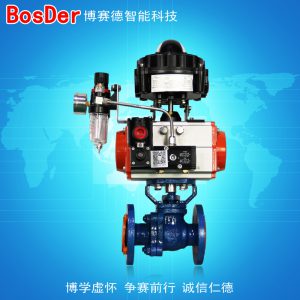
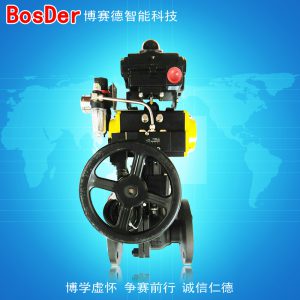
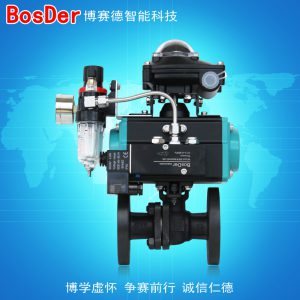
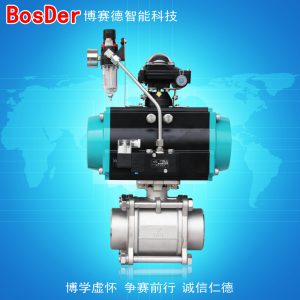
| BosDer pneumatic/electric automatic on-off (regulating) ball valves are widely used in long-distance transmission pipelines and general industrial pipelines; they are new products developed by integrating domestic and international technologies. Based on the actual operational requirements at the customer’s site, customers can select either a BosDer high-performance pneumatic actuator or an electric actuator. This enables the ball valve on the pipeline to receive system commands for automatic opening, closing, and regulating operations, thereby achieving remote control of the flow of media through the on-site pipeline. |
| Product Benefits |
| Advantages include a compact structure, small size, reliable operation, low flow resistance, excellent sealing performance, ease of maintenance, convenient installation, and high adaptability. |
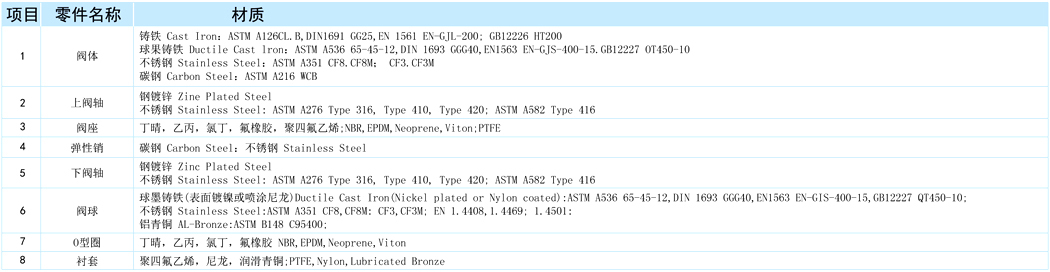
| Materials Overview |
 |

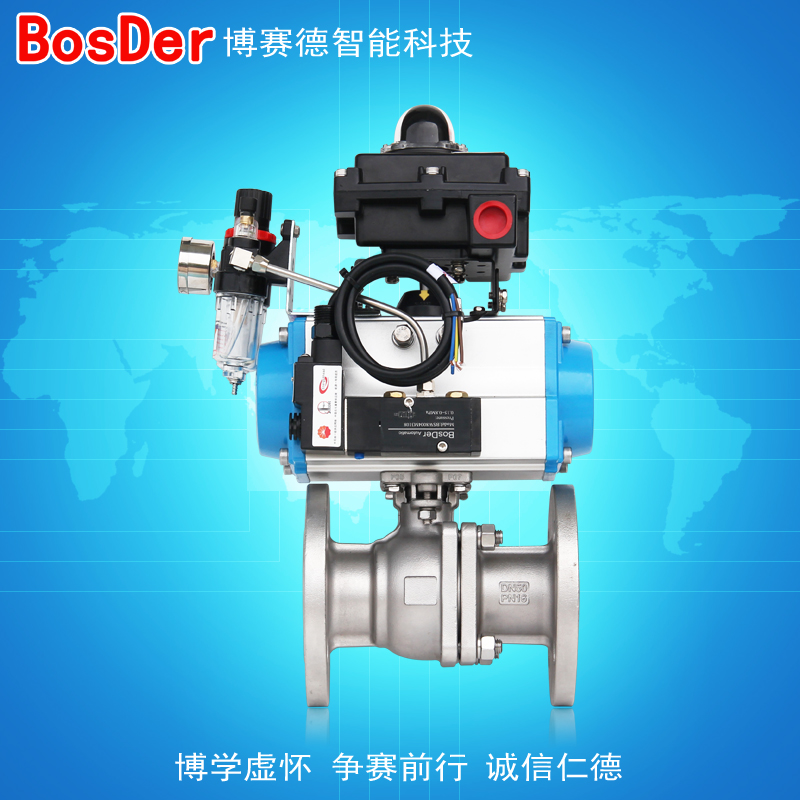
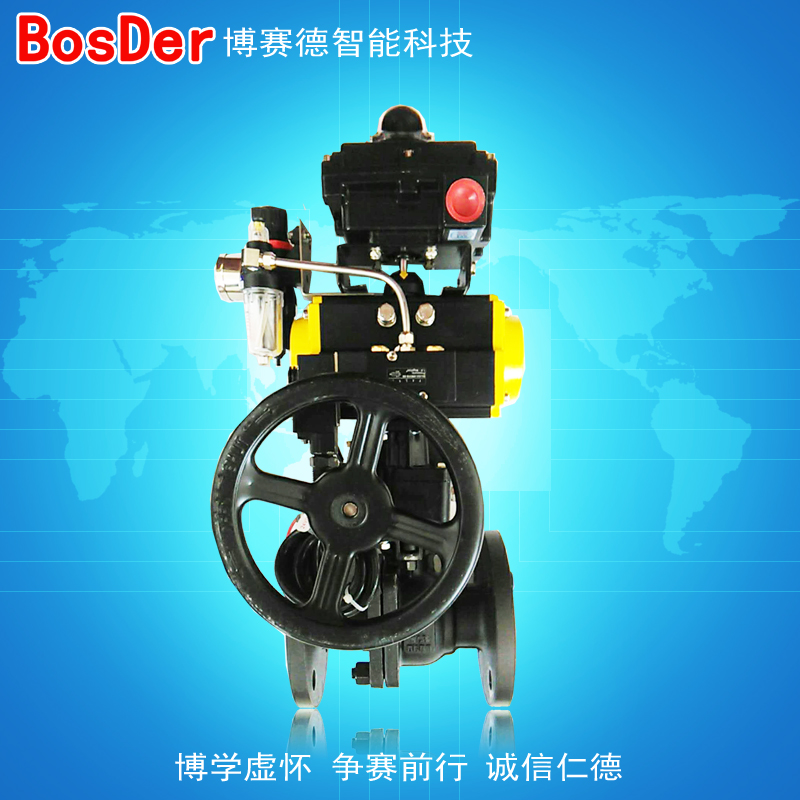
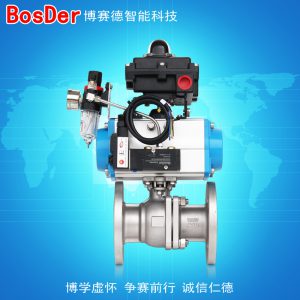
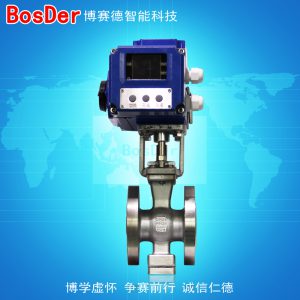


 Self-Actuated Ball Valve
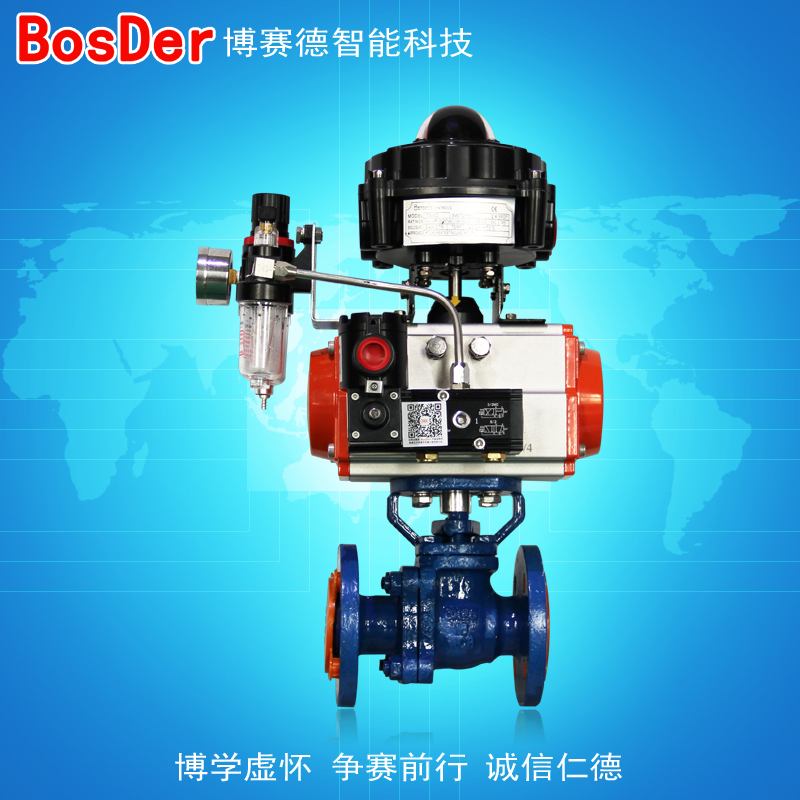
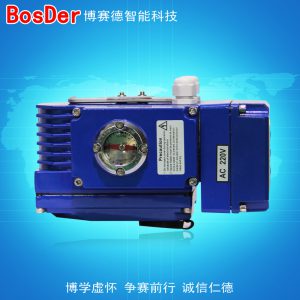 Self-Actuated Ball Valve
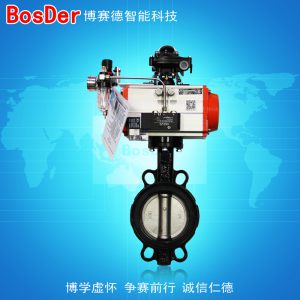 Automated Butterfly Valve
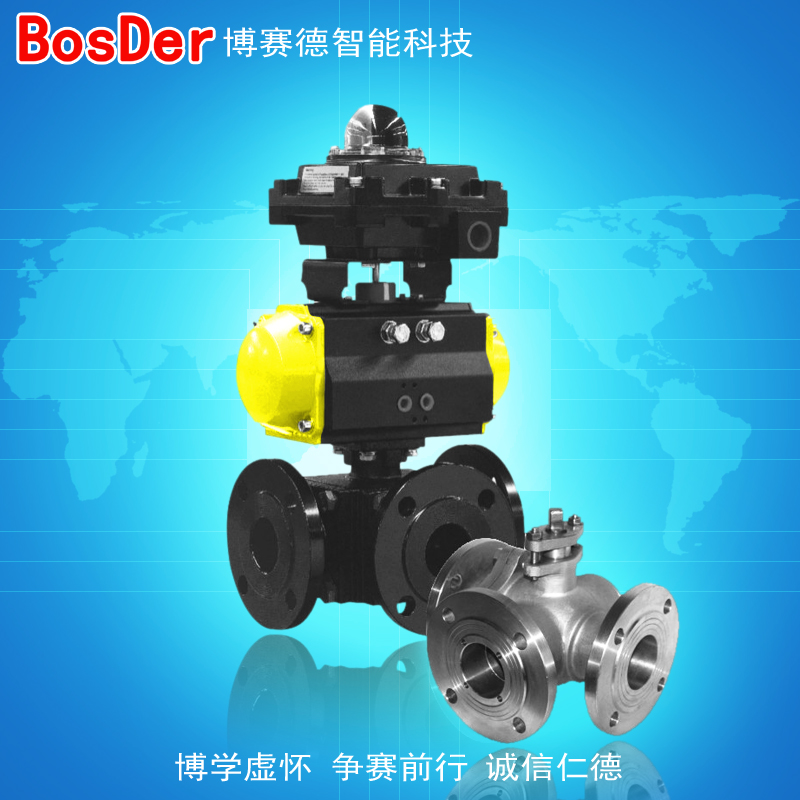
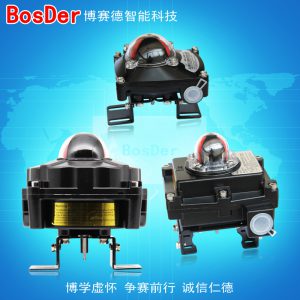 Self-Actuated Ball Valve